About the site
Is it valid to use technology with tarot?
I believe so, and indeed, there are historical and philosophical arguments supporting this union.
Tarot as the "Software" of Consciousness
Technically, the Tarot has always been a form of technology, albeit an analog one. It is a system of symbols designed to process abstract information and return a comprehensible result.
- ✦The structure: 78 cards with clear rules (Major and Minor Arcana).
- ✦The execution: A spread is, essentially, an algorithm that organizes chance to create meaning.
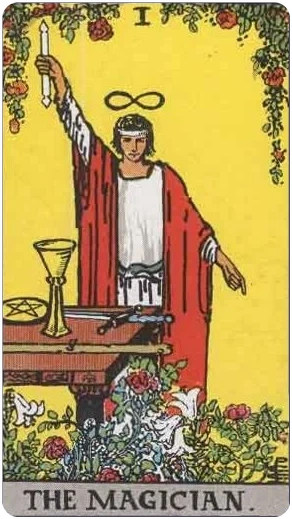
- ✦The interface: The visual image allowing the user to interact with their unconscious mind.
The Evolution of the Medium
Over the centuries, Tarot has evolved alongside the technology of its time:
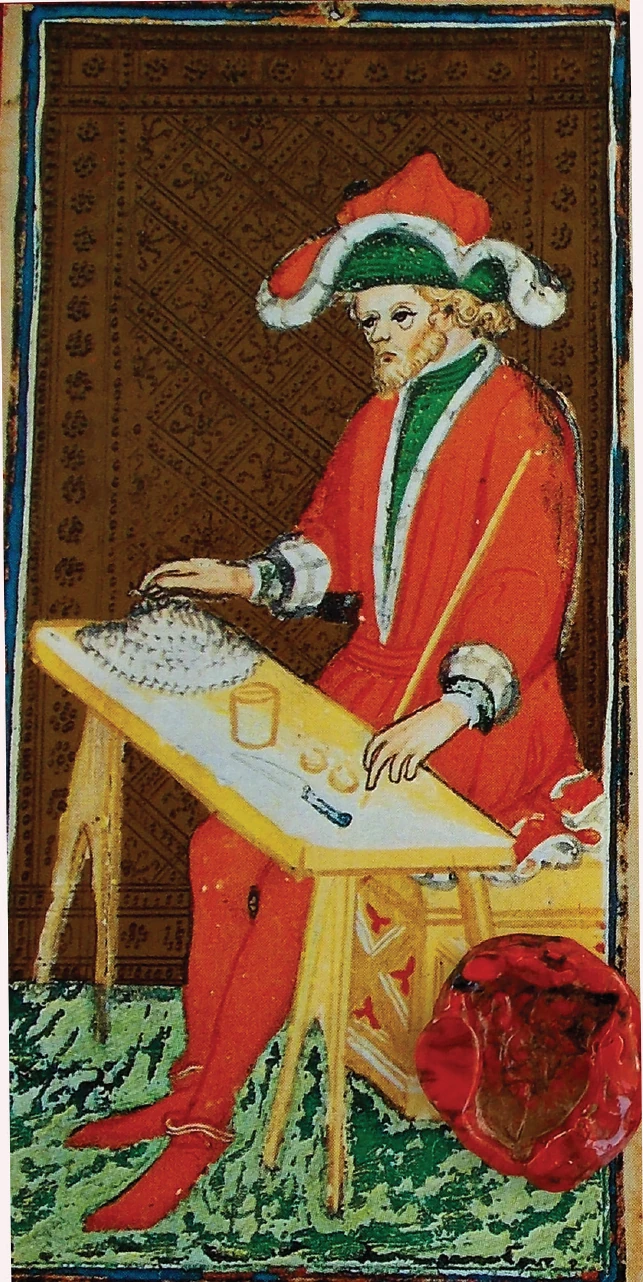
- ✦From being hand-painted for the nobility to mass production through woodcut printing (like the Tarot of Marseille).
- ✦From cardboard paper to OLED screens. The medium changes, but the archetype is eternal. Energy or "intention" is not confined to paper; it is transferred through the symbol, and a pixel can project a symbol with the same power as a drop of ink.
The Human Factor vs. The Algorithm
This is where it gets interesting for developers:
- ✦Human Reading + Digital Support:
The best of both worlds. You use technology to eliminate geographical barriers while retaining human intuition to interpret nuances.
- ✦Automated Readings:
Can be an excellent gateway. A good code can randomly select a card (using true entropy) and offer a valuable technical description, leaving the user to perform the final introspection.
The Digital "Synchronicity"
Jung spoke of synchronicity as meaningful coincidences. In the digital realm, using random number generators (PRNG or TRNG) to pull a card can be seen as the modern equivalent of shuffling a deck. If the seeker's intent is present, the "click" is the moment when chaos is ordered to provide an answer.